
How Precious Metals Like Gold and Silver Impact Investments

1. Introduction/Why this topic matters
Precious metals, primarily gold and silver, have long served as a cornerstone of investment strategy due to their historical significance and intrinsic value. Defined as naturally occurring metallic elements that possess high economic value, these metals have been used as currency, jewelry, and in various industrial applications for centuries. Their status as a store of value is rooted in cultural traditions and their physical properties, which make them resistant to corrosion and wear.
In times of economic uncertainty, precious metals often emerge as a safe haven for investors. They tend to act as a hedge against inflation, which occurs when the purchasing power of currency declines. For example, during periods of heightened inflation, gold has historically maintained its value, often appreciating by approximately 10-15% in real terms. Similarly, silver has shown a tendency to increase in value during such times, providing a dual benefit of both wealth preservation and potential appreciation.
Moreover, the volatility of financial markets can further elevate the appeal of these metals. In instances where stock markets experience sharp declines, as seen during various economic downturns, precious metals may demonstrate an inverse correlation, often rising when equities falter. This characteristic can provide a stabilizing effect within a diversified investment portfolio, which typically should include a mix of assets to mitigate risk. Allocating around 3-5% of a portfolio to precious metals could potentially enhance overall performance during turbulent times.
Understanding the role of precious metals in investment strategies is crucial for investors looking to navigate market fluctuations effectively. As recent developments in the financial landscape, such as concerns surrounding stablecoins like USDT and shifts in commodity prices, suggest an environment of uncertainty, incorporating gold and silver into a broader investment strategy may provide an essential buffer against potential market disruptions.
As investors contemplate the implications of these market dynamics, it is worthwhile to examine the broader landscape of investment opportunities, including emerging sectors and assets that might influence long-term financial goals.
2. Advantages and Disadvantages
Investors considering the inclusion of precious metals such as gold and silver in their portfolios may find it beneficial to weigh the potential advantages and disadvantages associated with these assets.
2.1 Potential Advantages
- Safe Haven: Gold and silver can act as a safe haven during periods of economic uncertainty. Historical trends indicate that during times of market volatility, these metals often retain or increase their value, providing a buffer against financial downturns.
- Intrinsic Value: Precious metals have intrinsic value due to their physical properties and rarity. This characteristic could help preserve wealth over time, making them a reliable store of value compared to fiat currencies, which may be subject to inflationary pressures.
- Portfolio Diversification: Precious metals typically have a low correlation with stocks and bonds, which means their prices may not move in tandem with these traditional asset classes. This potential lack of correlation can enhance portfolio diversification, thereby reducing overall investment risk. Investors may aim for a target allocation of around 5-10% in precious metals for effective diversification.
2.2 Potential Disadvantages
- Price Volatility: Prices of precious metals can be volatile, often influenced by geopolitical events, changes in market demand, and fluctuations in currency values. For instance, gold prices have been known to swing by 10-15% within short periods, depending on global economic conditions.
- No Income Generation: Unlike stocks or bonds, precious metals do not generate income, such as dividends or interest payments. This characteristic may limit their appeal for income-focused investors, as they may miss out on potential yields that could be realized through other investment vehicles.
- Storage and Insurance Costs: Investing in physical metals entails additional costs, including storage and insurance fees. These expenses can add up, particularly for larger investments, potentially eroding the overall return on investment. For example, secure storage solutions can cost approximately 1-2% of the asset's value annually.
As investors assess the role of precious metals in their portfolios, understanding these advantages and disadvantages can help inform their investment strategies moving forward.
3. Practical options/methods
Investors considering exposure to precious metals have various investment vehicles that may align with their financial strategies. Understanding these options can potentially enhance a portfolio's diversification and resilience against market volatility.
3.1 Exchange-Traded Funds (ETFs)
One of the most accessible ways to invest in precious metals is through Exchange-Traded Funds (ETFs). ETFs such as SPDR Gold Shares (GLD) and iShares Silver Trust (SLV) are popular choices among investors. GLD aims to track the price of gold bullion and holds physical gold, while SLV does the same for silver. These ETFs typically have expense ratios ranging from approximately 0.40% to 0.50%, making them a cost-effective method for gaining exposure to precious metals without the need for physical storage.
3.2 Physical Ownership
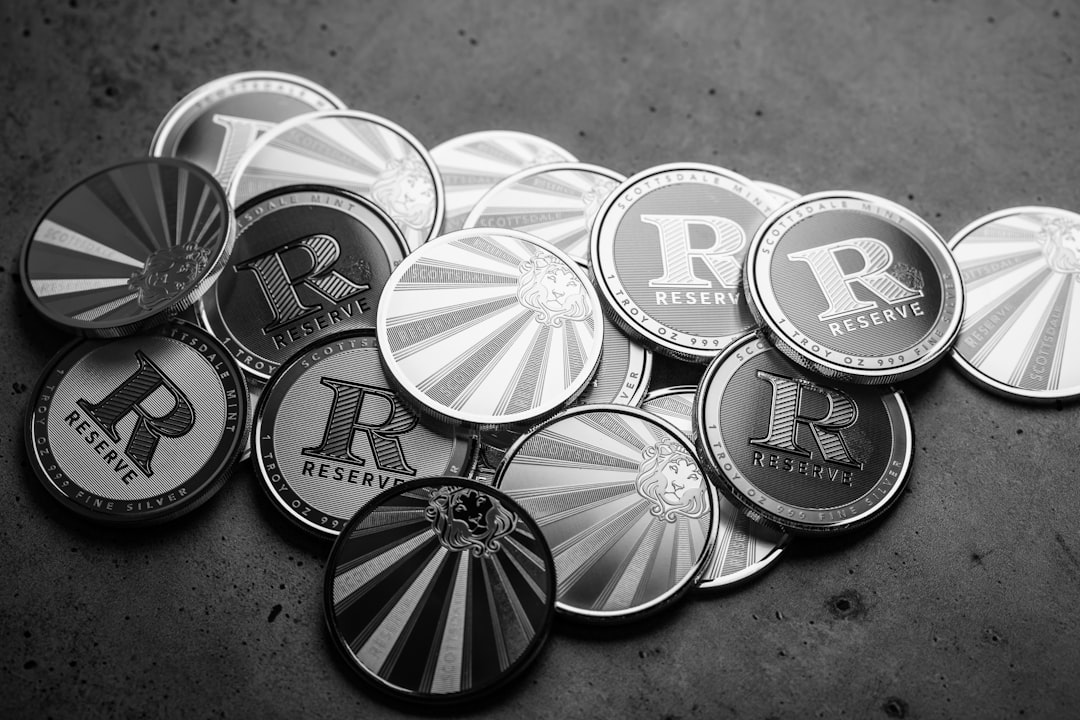
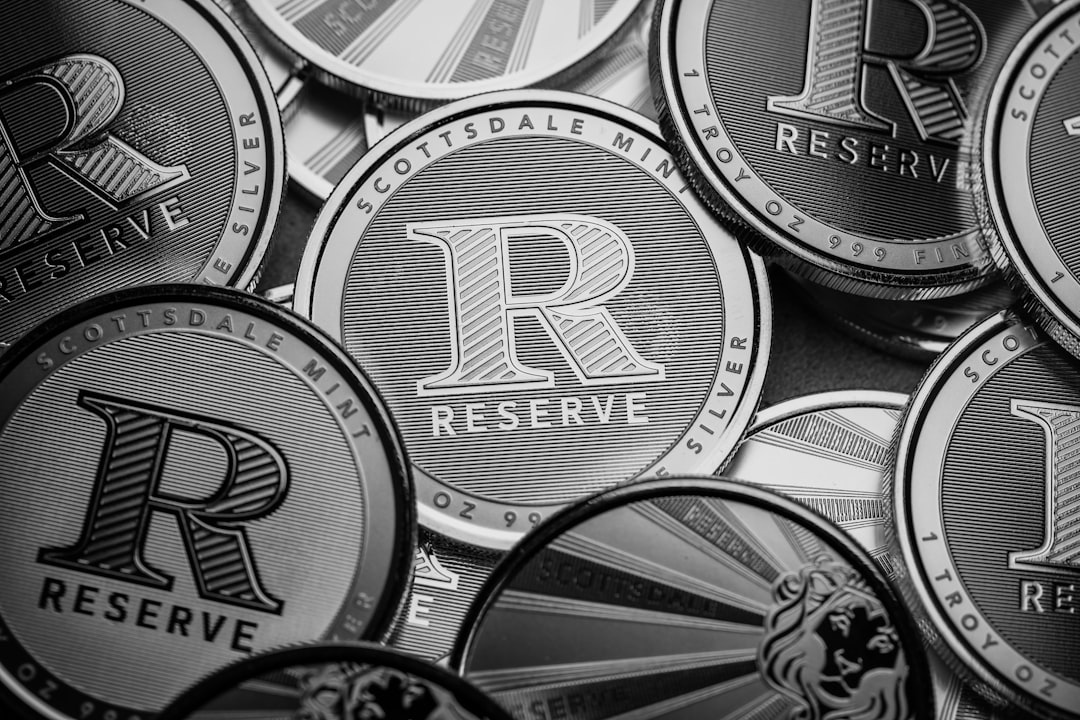
Another option is physical ownership of precious metals, such as bullion bars or coins. Investors may purchase these items from reputable dealers, ensuring authenticity and quality. Physical gold and silver typically require a premium over the spot price, which can range from 5% to 15%, depending on the form and market conditions. While this method offers tangible assets, it also entails costs related to storage and insurance, which investors should consider.
3.3 Mining Stocks
Investing in mining stocks is another avenue for exposure to precious metals. Companies such as Barrick Gold Corporation (GOLD) and Wheaton Precious Metals Corp (WPM) provide investors with leveraged exposure to the price movements of gold and silver. Typically, mining stocks may exhibit greater volatility compared to the underlying metals, potentially resulting in higher returns but also increased risk. Investors should evaluate the operational efficiency and financial health of these companies, as factors like production costs and geopolitical risks can significantly impact their performance.
By exploring these various investment vehicles, investors may be better equipped to navigate the complexities of the precious metals market. Each option presents unique characteristics and risks, allowing for tailored investment strategies that could potentially align with individual financial goals.
4. Important considerations
Investors considering an allocation in precious metals should be aware of several important considerations that could significantly impact their investment outcomes. Understanding the tax implications is crucial; for example, profits from the sale of physical precious metals, such as gold and silver, are typically subject to capital gains tax. In the United States, long-term capital gains on precious metals may be taxed at rates ranging from 0% to 20%, depending on the investor's income level. This could potentially reduce overall returns, especially for those in higher tax brackets.
Additionally, fees associated with purchasing, storing, and insuring physical metals can also erode investment profitability. Investors may encounter premiums over spot prices when buying precious metals, which can range from 3% to 15%, depending on the market conditions and the type of metal purchased. Storage fees for physical assets can vary widely but might typically range from 0.5% to 2% of the asset value annually, while insurance costs could add another 0.5% to 1% per year, depending on coverage levels.
Furthermore, investors must consider the risks involved in investing in precious metals. Market fluctuations can lead to significant volatility; for instance, gold prices can swing by 5% or more within a short time frame based on geopolitical events or changes in monetary policy. Liquidity issues may also arise, particularly for physical assets, as selling large quantities of precious metals may require time and could involve discounts to market prices. This could be a concern for investors who might need quick access to cash.
In summary, while investing in precious metals can provide diversification and a hedge against inflation, it is essential for investors to carefully evaluate the associated tax implications, fees, and inherent risks. Understanding these factors could lead to more informed decisions in the precious metals market.
5. Conclusion
In conclusion, precious metals like gold and silver can potentially serve as integral components of a well-rounded investment strategy. Investors may consider these assets for their historical role as effective hedges against inflation and economic uncertainty. Typically, allocating around 5-10% of an investment portfolio to precious metals could provide a buffer during market volatility, as these assets often retain intrinsic value even in turbulent times.
Additionally, recent analyses, such as Deutsche Bank’s upgrade of Boliden AB (OM:BOL), highlight the potential for companies with strong exposure to precious metals to enhance long-term outlooks. This reflects a broader trend where rising demand for gold and silver is tied to both industrial applications and investment inflows, which may influence market dynamics significantly.
However, it is crucial for investors to conduct thorough research before making any investment decisions in precious metals. Understanding the market mechanics, such as the correlations between precious metals and other asset classes, can aid in making informed choices. For instance, investors might examine how changes in interest rates or geopolitical events could affect precious metal prices, as these factors can often lead to increased volatility.
As a final note, consulting with a financial advisor may be wise for those looking to explore precious metal investments tailored to their individual financial goals. A professional can provide insights on how to balance an investment strategy that includes precious metals alongside other assets. Going forward, investors should continuously monitor market conditions and remain aware of how various economic indicators could impact their investment portfolios.
Disclaimer: This article was generated using AI technology and is for informational and educational purposes only. It does not constitute investment advice, recommendation, or solicitation. All investment decisions are solely the responsibility of the individual investor. Past performance does not guarantee future results. Investments involve significant risks, including the potential loss of principal. Before making any investment decisions, please conduct your own research and consult with qualified financial and tax professionals.