
How Gold and Copper Investments Drive Market Trends

1. Why Consider Gold and Copper Investments
Investors may consider allocating a portion of their portfolios to gold and copper due to their historical reputation as safe-haven assets, particularly during periods of economic uncertainty. These metals tend to maintain intrinsic value, which can provide a stabilizing effect on an investment portfolio amidst market volatility.
Gold, for example, is often viewed as a hedge against inflation and currency fluctuations. During inflationary periods, the purchasing power of fiat currencies may decline, thereby increasing the demand for gold as a store of value. Historically, gold has appreciated at an average rate of approximately 10-15% annually during high inflation environments. This characteristic makes it an attractive option for investors seeking to preserve wealth.
Copper, on the other hand, has substantial industrial demand, particularly in sectors such as construction and electronics. As economies expand, the demand for copper tends to rise, which can lead to price stability and potential appreciation. Investors may find that the price of copper has historically increased by around 3-5% per year, driven by its essential role in renewable energy technologies and infrastructure development.
Additionally, the growing interest in renewable energy initiatives could further bolster copper demand, as it is a critical component in electric vehicles and solar panels. For example, the transition towards greener technologies may lead to an increased consumption of copper, adding another layer of potential stability to this investment.
Investors may also explore exchange-traded funds (ETFs) that focus on these metals. For instance, SPDR Gold Shares (GLD) provides exposure to gold, while the Global X Copper Miners ETF (COPX) focuses on companies involved in copper mining. These investment vehicles can offer liquidity and diversification, allowing investors to gain exposure to the commodities market without directly holding the physical metals.
In summary, the potential benefits of investing in gold and copper stem from their intrinsic value, demand across various industries, and their roles as hedges against economic volatility. Investors may view these factors as compelling reasons to consider incorporating these metals into their investment strategies.
2. Advantages and Disadvantages
Investors may find that incorporating physical metals like gold and copper into their portfolios presents a range of potential advantages and disadvantages. Understanding these factors is crucial for informed decision-making.
2.1 Potential Advantages
- Diversification: Adding gold and copper to a portfolio can reduce risk through asset diversification. Historically, these metals have shown low correlation with equities, which may help smooth portfolio volatility during market downturns.
- Inflation Hedge: Both gold and copper often retain value during inflationary periods, thus protecting purchasing power. For instance, during the 1970s inflation surge, gold prices increased by nearly 500%, illustrating its role as a safeguard against currency devaluation.
- Tangible Assets: Physical metals can be stored securely and are not subject to the same risks as paper assets. Unlike stocks or bonds, which may become worthless in extreme scenarios, tangible metals retain intrinsic value, providing a physical form of wealth.
2.2 Potential Disadvantages
- Market Volatility: Prices of gold and copper can fluctuate significantly based on geopolitical events and market speculation. For example, a sudden political crisis can lead to rapid price shifts, with gold often seen as a safe-haven asset, leading to price spikes.
- Storage Costs: Physical gold and copper require secure storage, which can incur additional costs. Investors may need to consider the fees associated with safe deposit boxes or professional storage facilities, which typically range from 0.5% to 2% of the asset value annually.
- Limited Growth: Unlike stocks, metals do not generate income or dividends, relying solely on price appreciation for returns. This means that potential gains may be limited, with historical annual returns for gold averaging around 3-5% over the long term.
Investors should weigh these potential advantages and disadvantages carefully as they consider the role of gold and copper in their investment strategies, particularly in relation to current market conditions and economic indicators.
3. Practical Options/Methods for Investment
Investors exploring practical options for investment may consider various methods to diversify their portfolios, particularly in commodities like gold and copper. One avenue is through Exchange Traded Funds (ETFs), which provide a convenient way to gain exposure to these metals. For instance, the SPDR Gold Shares (GLD) offers a way to invest in gold without the need for physical storage, reflecting the price of gold bullion. Similarly, the Global X Copper Miners ETF (COPX) focuses on companies involved in copper mining, potentially allowing investors to benefit from the increasing demand for copper in various industries.
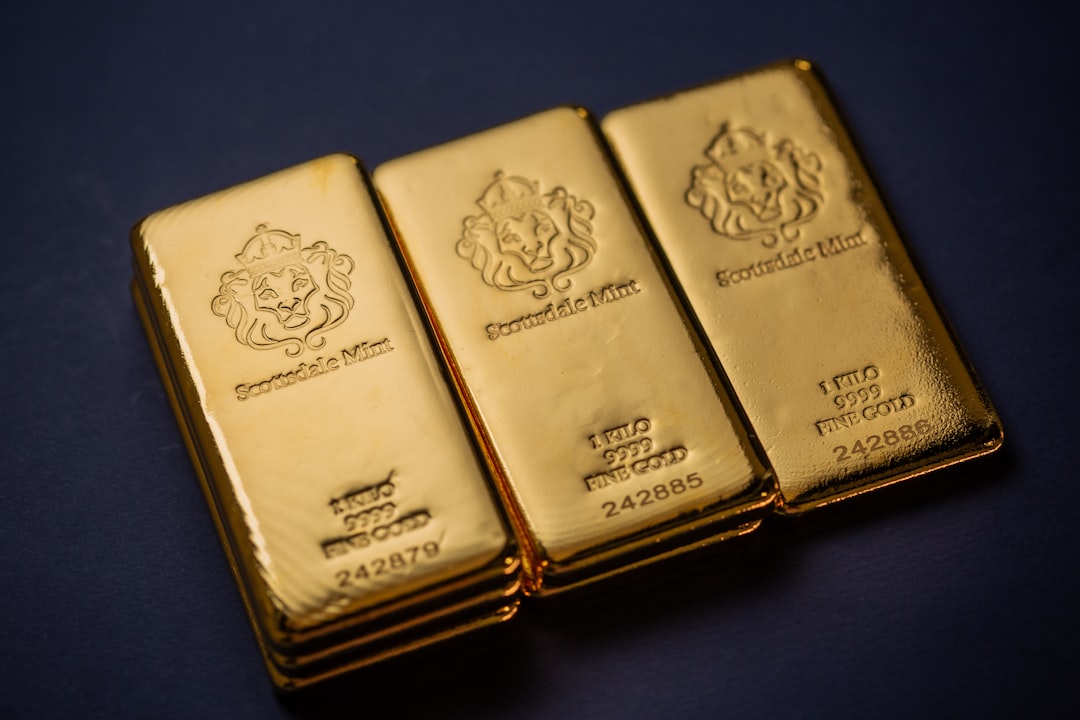
Another method that investors might find appealing is making physical purchases. Acquiring coins or bars directly from reputable dealers can serve as a tangible way to invest in precious metals. This approach allows investors to hold physical assets, which can sometimes provide a sense of security. However, it is essential for investors to consider the associated costs, such as premiums over spot prices and storage fees, which can typically range from 1-3% of the investment.
Investors may also look at mining stocks as a viable option. Companies like SSR Mining Inc. (TSX:SSRM), which has garnered attention due to renewed optimism surrounding its Çöpler mine, could provide exposure to gold prices while potentially benefiting from operational improvements. In addition, companies engaged in copper extraction may offer significant upside as global demand for copper continues to grow, particularly in green technologies. Investing in such mining stocks might involve a different risk-reward profile, as they can be influenced by operational challenges and market volatility.
In summary, investors have several practical options for investing in gold and copper, including ETFs, physical purchases, and mining stocks. Each method carries its own set of risks and benefits, which should be carefully evaluated to align with individual investment strategies.
4. Important Considerations
Investors considering investments in gold and copper should recognize several important factors that could influence their overall returns and financial outcomes. Understanding these considerations can help navigate the complexities of these markets effectively.
4.1 Tax Implications
One of the primary concerns for investors may be the capital gains taxes applicable when selling gold and copper investments. In many jurisdictions, profits from the sale of physical metals are treated as collectibles and are subject to higher tax rates, potentially around 28% in the United States. In contrast, other investments, such as stocks, may only incur a tax rate of approximately 15% to 20%. Investors should consult with a tax professional to ensure they understand their specific liabilities and potential strategies for tax optimization.
4.2 Fees
Investors might also want to consider the management fees associated with Exchange-Traded Funds (ETFs) that track gold and copper prices. These fees typically range from 0.5% to 1.0% annually, which can erode returns over time. Furthermore, purchasing physical metals often incurs additional costs, such as premiums and commissions, which can vary significantly depending on the dealer and the form of the metal. These costs can range from about 3% to 10% of the purchase price, depending on market conditions and product types.
4.3 Market Risks
Staying informed about market trends and global economic conditions is crucial for investors. Fluctuations in demand, geopolitical tensions, and changes in central bank policies can all impact metal prices significantly. Additionally, potential regulatory changes could alter the investment landscape, making it essential for investors to keep abreast of developments that may affect their portfolios. For example, shifts in monetary policy, such as anticipated Federal Reserve rate cuts, could influence gold prices, as lower interest rates tend to make gold more attractive as a non-yielding asset.
In summary, understanding tax implications, being aware of fees, and monitoring market risks can equip investors with the knowledge necessary to make informed decisions in the dynamic gold and copper markets.
5. Conclusion
In conclusion, investments in gold and copper may play a crucial role in shaping market trends and could potentially serve as effective tools for portfolio diversification. Both commodities tend to exhibit unique characteristics that can offer investors a hedge against inflation and market volatility, making them appealing options during uncertain economic times.
However, investors should carefully weigh the advantages against the disadvantages when considering these investments. For instance, while gold has historically been viewed as a safe haven, its price can be influenced by interest rate changes and geopolitical tensions. Similarly, copper may benefit from increased demand driven by its use in renewable energy technologies but could be subject to fluctuations based on global economic conditions. Investors often find that commodity allocations typically range between 5-10% of a well-diversified portfolio, depending on individual risk tolerance.
- Advantages: Gold and copper can provide diversification benefits and serve as a hedge against inflation.
- Disadvantages: Prices can be volatile, influenced by factors such as interest rates and global demand.
To take action, investors may explore various investment methods, such as purchasing physical commodities, investing in exchange-traded funds (ETFs) like GLD (SPDR Gold Shares) or CPER (Invesco DB Base Metals Fund), or considering shares in mining companies. Consulting with a financial advisor could facilitate informed decisions tailored to individual financial situations and risk profiles.
As market conditions evolve, it becomes increasingly important for investors to monitor these dynamics closely. Continual research and adjustment of investment strategies may enhance the potential for achieving long-term financial goals.
Disclaimer: This article was generated using AI technology and is for informational and educational purposes only. It does not constitute investment advice, recommendation, or solicitation. All investment decisions are solely the responsibility of the individual investor. Past performance does not guarantee future results. Investments involve significant risks, including the potential loss of principal. Before making any investment decisions, please conduct your own research and consult with qualified financial and tax professionals.