
How Bitcoin's Volatility Impacts Crypto Investment Strategies

1. Why Consider Bitcoin's Volatility
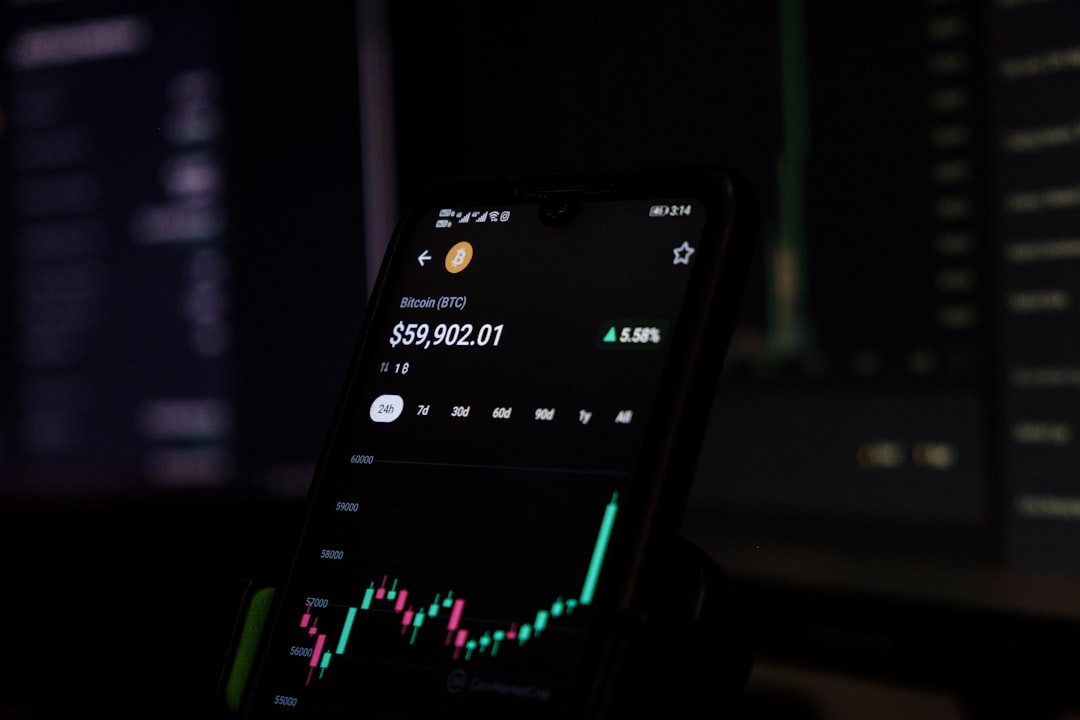
Understanding Bitcoin's price fluctuations is crucial for investors navigating the volatile landscape of cryptocurrency. Bitcoin (BTC-USD) has demonstrated significant price swings, often exceeding 10% in a single day, which can present both opportunities and risks. For instance, a recent surge saw Bitcoin approaching $95,000, marking its highest price since mid-November, while simultaneously, a wave of short liquidations contributed to this upward movement, highlighting the unpredictable dynamics of the market.
Volatility in Bitcoin prices can create potential investment opportunities, as sharp dips may lead investors to consider entry points. For example, during periods of high volatility, investors might observe sudden sell-offs that could lower prices temporarily, creating what could be viewed as buying opportunities for long-term holders. Conversely, this volatility also presents risks; a sudden downturn could lead to substantial losses, particularly for those employing high-leverage strategies or engaging in short-selling.
Investors need to adapt their strategies based on prevailing market conditions. For example, during bullish trends, a more aggressive investment approach may be warranted, while bearish conditions may necessitate a more conservative stance. This flexibility is essential, as the crypto market tends to be influenced by factors such as regulatory developments, macroeconomic indicators, and broader market sentiment. Recently, the performance of spot exchange-traded funds (ETFs), such as those tracking XRP, which outperformed Bitcoin and Ethereum underlines the importance of comprehensive market analysis.
In conclusion, Bitcoin's volatility can offer both risks and potential rewards. Investors may want to develop robust strategies that account for these fluctuations, leveraging market analysis and risk management practices to navigate the complexities of the crypto market effectively.
2. Advantages and Disadvantages
Investors looking to navigate the Bitcoin (BTC-USD) market may find the recent fluctuations in price both enticing and concerning. Understanding the potential advantages and disadvantages of such volatility is crucial for making informed decisions.
2.1 Potential Advantages
- Profit Opportunities: The inherent volatility of the Bitcoin market can lead to significant profit opportunities for traders. Price movements of 5-10% within a single day are not uncommon, allowing skilled traders to capitalize on these fluctuations.
- Short-Term Trading Strategies: Investors may employ short-term trading strategies, such as day trading or swing trading, to take advantage of rapid price changes. These strategies can potentially yield gains in a matter of hours or days, depending on market conditions.
- Market Engagement: Increased price swings tend to attract greater market attention and engagement. This heightened interest can lead to more trading volume, which may further enhance liquidity and potentially stabilize prices over time.
2.2 Potential Disadvantages
- Substantial Losses: High volatility can also lead to significant losses, particularly for inexperienced investors who may not have the risk management strategies in place. Price corrections of 20-30% can occur rapidly, impacting those unprepared for such movements.
- Investor Uncertainty: Long-term investors may feel uncertain during drastic price changes, as their holdings fluctuate significantly. This volatility may lead to emotional decision-making, which could result in premature selling or panic.
- Market Manipulation: The potential for market manipulation and liquidations can exacerbate volatility. Events such as short squeezes can lead to rapid price increases, but they may also result in sharp declines, causing distress among investors caught in the wrong positions.
In summary, the Bitcoin market's volatile nature presents both opportunities and risks for investors. Understanding these dynamics can help guide strategies and risk management approaches in a rapidly changing environment.
3. Practical Options/Methods
Investors may consider several practical options and methods to navigate the evolving landscape of Bitcoin and cryptocurrency investments. One potential avenue is through Bitcoin exchange-traded funds (ETFs), such as GBTC (Grayscale Bitcoin Trust) and BITO (ProShares Bitcoin Strategy ETF). These investment vehicles could provide a more traditional approach to gaining exposure to Bitcoin without the necessity of directly purchasing and storing the cryptocurrency, which may appeal to investors who prefer a more regulated investment framework.
In addition, utilizing trading tools like CoinMarketCap and TradingView can enhance real-time data analysis. These platforms may offer a wealth of information, including price charts, trading volumes, and market capitalization, which can potentially aid investors in making informed decisions. For example, CoinMarketCap typically lists over 2,000 cryptocurrencies, providing investors with comprehensive market insights.
Another strategy that investors may implement is **dollar-cost averaging** (DCA). This method involves investing a fixed amount of money at regular intervals, regardless of the asset's price fluctuations. DCA could help mitigate the impact of volatility, as it allows investors to purchase more units when prices are low and fewer units when prices are high. Historically, this strategy has been shown to reduce the average purchase cost over time and may lead to better long-term investment outcomes.
Furthermore, employing **stop-loss orders** might offer an additional layer of protection against sudden price drops. By setting a predetermined price at which an investment will automatically be sold, investors could potentially limit their losses during periods of high volatility. For instance, an investor might set a stop-loss order at 10% below their purchase price, thereby helping to manage risk in a highly unpredictable market.
In summary, these practical options and methods—Bitcoin ETFs, trading tools, dollar-cost averaging, and stop-loss orders—could be integral in navigating the complexities of cryptocurrency investments. As the market continues to evolve, investors may find it beneficial to remain informed and adaptable.
4. Important Considerations
Investors entering the Bitcoin (BTC-USD) market should consider several important factors that could influence their trading outcomes. One significant aspect is the tax implications of trading Bitcoin, which may vary widely based on jurisdiction. In some regions, capital gains from cryptocurrency trading are taxed at rates ranging from 15% to 30%. Therefore, consulting a tax advisor is advisable to understand local regulations and potential liabilities before engaging in trading activities.
Another critical consideration is the transaction fees associated with trading on cryptocurrency exchanges. These fees can range from approximately 0.1% to 0.5% per trade, depending on the platform and trading volume. For investors who engage in high-frequency trading, these costs can accumulate quickly and significantly erode profits, making it essential to factor them into trading strategies.
Investors should also remain cognizant of the various risks intertwined with Bitcoin trading. The market is known for its volatility, with price fluctuations often exceeding 10% within a single day. Additionally, regulatory changes can impact market dynamics and investor sentiment, potentially leading to sudden price shifts. Moreover, technological risks, such as security breaches on exchanges or flaws in blockchain technology, could also pose significant threats to investment value.
To mitigate the risks associated with Bitcoin's inherent volatility, investors may consider diversifying their crypto portfolio. By allocating funds across multiple cryptocurrencies, such as Ethereum (ETH-USD) or Ripple (XRP-USD), investors might manage exposure to any single asset's price swings more effectively. Diversification could potentially lower the risk profile of an investment strategy while still allowing for participation in the growing cryptocurrency market.
Given these various considerations, investors may find it beneficial to conduct thorough research and analysis before making trading decisions in the dynamic landscape of cryptocurrency.
5. Conclusion
In conclusion, the landscape surrounding Bitcoin (BTC-USD) remains complex and multifaceted, characterized by its inherent volatility. Investors should recognize that this volatility is a double-edged sword that requires careful consideration. While significant price fluctuations can present opportunities for substantial gains, they also carry the risk of considerable losses. For instance, Bitcoin has demonstrated a volatility rate that can range from approximately 3-5% on a daily basis, which illustrates the unpredictable nature of this asset.
Adapting investment strategies to the prevailing market conditions could potentially enhance returns. Investors might consider employing methods such as dollar-cost averaging, which allows for a gradual investment that can mitigate the impact of sudden price swings. Additionally, strategies that incorporate risk management techniques, such as stop-loss orders, could help in limiting downside exposure during turbulent market phases.
Furthermore, investors should stay informed by tracking market trends and developments within the cryptocurrency space. Utilizing practical methods, such as technical analysis or monitoring sentiment indicators, may assist in navigating the complexities of Bitcoin's price movements. For example, understanding the correlation between Bitcoin and macroeconomic factors, such as interest rate decisions made by central banks, could provide valuable insights into potential price trajectories.
In summary, key takeaways for investors include:
- The importance of recognizing Bitcoin's volatility as both a risk and an opportunity.
- The potential benefits of adapting investment strategies to suit changing market conditions.
- The necessity of staying informed and employing practical methods to manage risks effectively.
Looking forward, investors are encouraged to monitor ongoing market conditions and conduct thorough research before making investment decisions. This approach is vital in navigating the ever-evolving cryptocurrency landscape.
Disclaimer: This article was generated using AI technology and is for informational and educational purposes only. It does not constitute investment advice, recommendation, or solicitation. All investment decisions are solely the responsibility of the individual investor. Past performance does not guarantee future results. Investments involve significant risks, including the potential loss of principal. Before making any investment decisions, please conduct your own research and consult with qualified financial and tax professionals.