
How Bitcoin's Volatility Impacts Crypto Investment Strategies

1. Introduction/Why this topic matters
Understanding Bitcoin's volatility is crucial for crypto investors navigating the rapidly changing landscape of cryptocurrencies. Bitcoin (BTC-USD), known for its significant price fluctuations, presents both opportunities and risks that can influence market sentiment and investment strategies. As the cryptocurrency approached notable price milestones, such as $90,000 per token, investors must adapt their strategies accordingly to maximize potential returns while mitigating risks associated with these price swings.
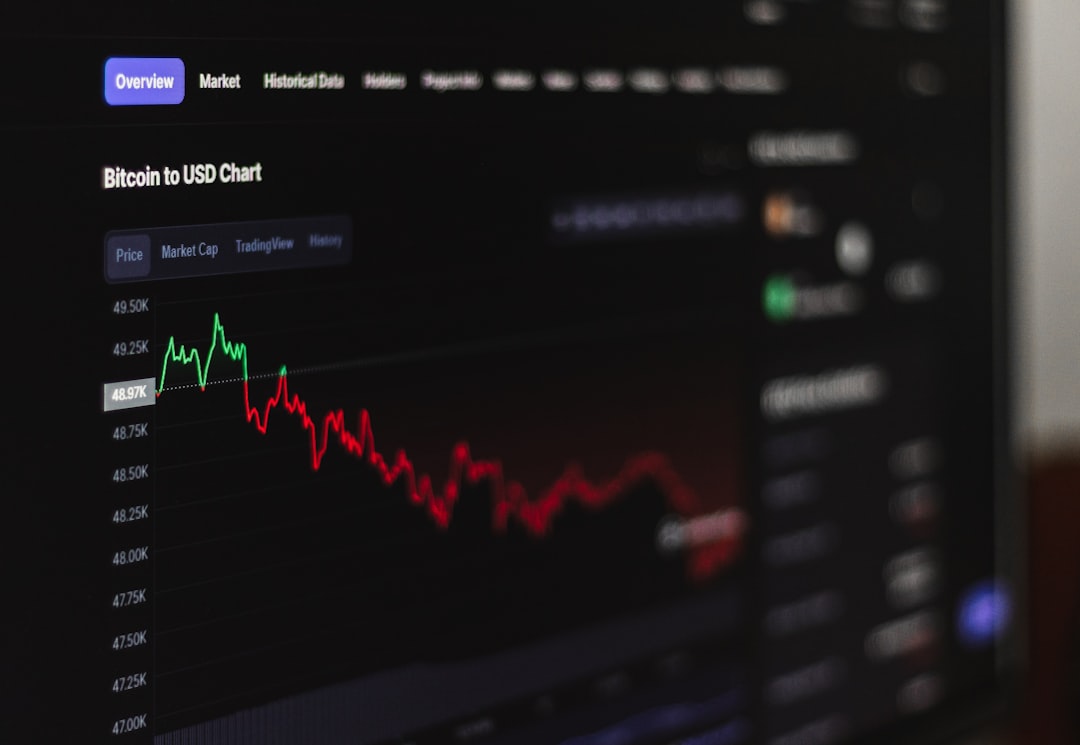
The volatility of Bitcoin can be attributed to various factors, including market sentiment, regulatory developments, and macroeconomic conditions. For instance, when Bitcoin reached recent lows around $84,000, it represented a critical moment for investors, as such price dips could indicate either a buying opportunity or a signal for caution. This inherent instability necessitates that investors stay informed about broader market trends and potential catalysts for price movements.
Recent announcements, such as Vanguard's decision to allow cryptocurrencies like Bitcoin and Ether on its trading platform, may further influence investor sentiment. The introduction of exchange-traded funds (ETFs) linked to Bitcoin could attract a different class of investors, potentially stabilizing the market over time. In contrast, the record outflows of $3.79 billion from Bitcoin ETFs may suggest a temporary retreat by institutional investors, highlighting the unpredictable nature of the cryptocurrency market.
Investors may also consider how Bitcoin's volatility impacts their long-term strategies. For example, strategies that allocate a certain percentage of a portfolio—typically ranging from 5-10%—to Bitcoin could help balance risk and reward. By understanding the mechanisms behind Bitcoin's price movements, investors may better position themselves to capitalize on both upward and downward trends.
As the landscape evolves, it is essential for investors to remain vigilant, continually reassessing their approaches to Bitcoin in response to market changes. The next section will delve deeper into the potential advantages and disadvantages of including Bitcoin in an investment portfolio, providing a comprehensive view of its role in modern finance.
2. Advantages and Disadvantages
Investors may find it essential to weigh both the potential advantages and disadvantages when considering exposure to Bitcoin (BTC-USD) and other cryptocurrencies, especially as market dynamics continue to evolve.
2.1 Potential Advantages
- High Potential Returns: Bitcoin has demonstrated substantial price surges, with historical increases sometimes exceeding 100% within a few months. These rapid ascents can offer lucrative investment opportunities for those willing to take calculated risks.
- Short-Term Trading Opportunities: The inherent volatility of Bitcoin allows for potential profit maximization through short-term trading strategies. Investors may capitalize on price fluctuations, with some traders targeting gains of approximately 5-10% per trade.
- Increased Institutional Interest: The growing interest from institutional investors could enhance market stability. For instance, significant investments from companies like MicroStrategy Incorporated (MSTR) and funds flowing into Bitcoin ETFs may provide a layer of credibility and support for the cryptocurrency market.
2.2 Potential Disadvantages
- Risk of Significant Losses: The cryptocurrency market is known for its extreme volatility. Bitcoin has experienced sharp price drops exceeding 20% in a single day, which could lead to substantial losses for investors who are unprepared.
- Emotional Decision-Making: Investors may often make decisions based on fear or greed, particularly during market fluctuations. This emotional investment behavior can lead to poor choices, such as panic selling during downturns or buying at peak prices.
- Regulatory Changes: The cryptocurrency landscape is susceptible to regulatory shifts that can impact market dynamics unpredictably. Changes in government policy or regulations may affect investor confidence and market accessibility, potentially leading to abrupt price movements.
In summary, while the cryptocurrency market presents enticing opportunities for substantial returns and innovative trading strategies, it carries inherent risks that necessitate a cautious and informed approach. Investors should consider these factors carefully as they navigate this complex landscape.

3. Practical options/methods
Investors seeking exposure to Bitcoin may consider utilizing **Bitcoin Exchange-Traded Funds (ETFs)**, such as the **Grayscale Bitcoin Trust (GBTC)** or the **ProShares Bitcoin Strategy ETF (BITO)**. These financial instruments allow investors to gain exposure to Bitcoin without the need to directly purchase or store the cryptocurrency. GBTC, for instance, typically trades at a premium to its net asset value, which reflects the demand from institutional investors. BITO, on the other hand, invests in Bitcoin futures contracts, providing a different risk profile and management approach for investors.
Another strategy that investors may employ is **dollar-cost averaging** (DCA). This method involves investing a fixed amount of money into Bitcoin at regular intervals, regardless of its price. By doing so, investors may mitigate the risks associated with Bitcoin’s inherent volatility, which can fluctuate significantly in short periods. For example, if an investor commits to purchasing $1,000 worth of Bitcoin every month, they could potentially reduce the impact of market timing on their overall investment performance. This approach may lead to a lower average purchase price over time, especially during periods of price swings.
For those interested in more active trading, platforms like **Coinbase** and **Binance** offer real-time trading and analysis tools. These platforms provide investors with access to live market data, technical analysis tools, and a variety of order types that can help manage risk and enhance trading strategies. Investors might find that utilizing these platforms allows for a more responsive approach to market changes, potentially increasing opportunities for profit amid the volatility that often characterizes the cryptocurrency market.
In summary, through Bitcoin ETFs, dollar-cost averaging, and trading platforms, investors have multiple methods to navigate the complexities of Bitcoin investment. Each approach may offer unique benefits and risks that warrant careful consideration.
4. Important considerations
Investors engaged in Bitcoin (BTC-USD) investments should consider several important factors that could influence their overall returns and investment strategy. One critical aspect to evaluate is the tax implications associated with short-term versus long-term capital gains. In the United States, short-term capital gains, which apply to assets held for one year or less, are typically taxed at ordinary income tax rates, which can range from 10% to 37%. In contrast, long-term capital gains, for investments held longer than one year, are taxed at reduced rates, generally between 0% to 20%. This distinction may significantly impact an investor's net returns and should be factored into any Bitcoin trading strategy.
Another consideration relates to the trading fees that accompany the buying and selling of Bitcoin. These fees can vary widely depending on the platform used, typically ranging from 0.1% to 1% per transaction. Investors may also encounter additional costs, such as withdrawal fees, which can affect the overall profitability of trades. Understanding the fee structure of platforms like Coinbase or Binance is vital, as high trading costs can erode potential gains, especially in a volatile market.
The volatility of Bitcoin presents another layer of complexity. Investors must assess the inherent risks associated with holding Bitcoin, particularly during periods of significant price fluctuations. For instance, Bitcoin has been known to experience price swings exceeding 10% in a single day. As such, it is essential for investors to implement robust security measures for their wallets, especially in a volatile market. Utilizing hardware wallets, enabling two-factor authentication, and regularly updating security protocols can help mitigate the risk of hacking or theft.
In summary, understanding the tax implications of capital gains, the trading fees associated with transactions, and the risks of market volatility are crucial for investors considering Bitcoin investments. A well-rounded approach may help investors navigate this dynamic asset class more effectively.
5. Conclusion
Bitcoin's (BTC-USD) volatility presents both opportunities and challenges for investors. The cryptocurrency has recently fluctuated between significant price levels, notably climbing above $90,000 after dipping to as low as $84,000. Such price swings can create potential opportunities for profit, yet they also introduce substantial risks. For instance, the recent drop recorded as the worst day since March may have prompted investors to reconsider their strategies, particularly amidst shifting macroeconomic conditions influenced by central bank policies.
Investors may need to adapt their investment strategies to navigate this dynamic environment effectively. Traditional investment principles, which often emphasize stability and predictability, may not apply directly in the case of cryptocurrencies. The potential for high returns must be balanced with the understanding that Bitcoin's price could experience additional volatility, driven by factors such as regulatory changes or institutional interest shifts. For example, the recent announcement by Vanguard to allow crypto ETFs could attract a more extensive base of investors, potentially stabilizing prices, yet also introducing new uncertainties as market reactions unfold.
Moreover, conducting thorough research is essential for investors considering exposure to Bitcoin. This includes understanding market trends, the implications of institutional buy-ins, and how various macroeconomic factors might influence price movements. Investors are encouraged to evaluate their risk tolerance and investment horizon, as the cryptocurrency market tends to behave differently from traditional assets. Consulting with financial advisors who specialize in cryptocurrencies may be beneficial to tailor strategies that align with individual investment goals.
In summary, key takeaways for investors include:
- Bitcoin's volatility can present both risks and opportunities.
- Adapting investment strategies is crucial in response to market dynamics.
- Thorough research and professional advice are recommended before making investment decisions.
As market conditions continue to evolve, monitoring these developments will be vital for investors aiming to navigate the complexities of cryptocurrency investments effectively.
Disclaimer: This article was generated using AI technology and is for informational and educational purposes only. It does not constitute investment advice, recommendation, or solicitation. All investment decisions are solely the responsibility of the individual investor. Past performance does not guarantee future results. Investments involve significant risks, including the potential loss of principal. Before making any investment decisions, please conduct your own research and consult with qualified financial and tax professionals.